
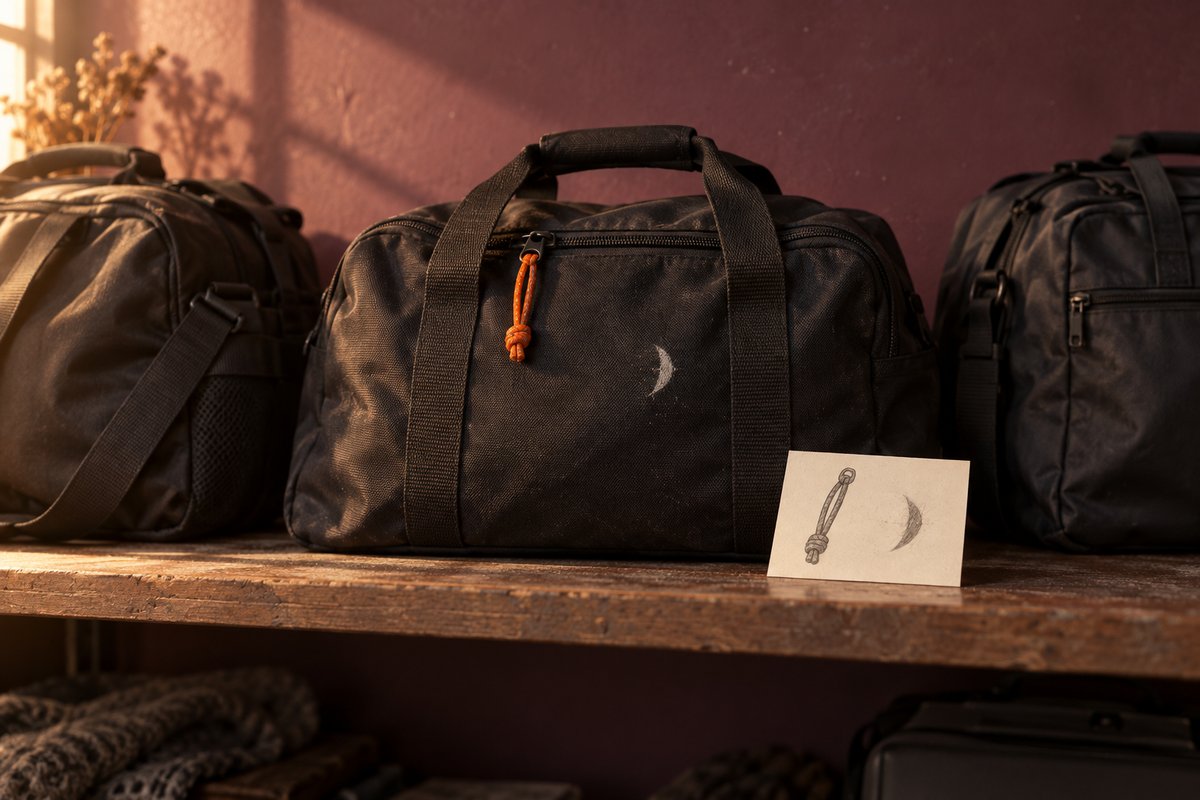
The missing bag is black. It is medium-sized. It is the black, medium-sized bag that belongs to Elena, which Elena considers a fairly complete description.
The person trying to help does not have access to the category “Elena's bag.” They have access to several bags. Some are black. More than one appears to have survived a weekend.
I offer to improve the description: practical, versatile, ideal for travel. This sounds excellent until we notice it could help someone sell nearly every bag on the shelf.
Elena pauses. “The zipper pull broke. I tied orange cord through it. And there's a pale scratch shaped like a little moon.”
For the first time, the damage is making a contribution to customer service.
Inside this dispatch
Recognition kept some of its work private
This is a fictional lost-property exchange. The real reporting context is narrower: Amtrak asks people reporting a lost item for journey information and detailed item information, including examples such as brand, color, size and model or serial number. It says it will contact the reporter if it believes an item has been found or needs more information. It does not promise recovery.
The form's request can feel fussy when the owner is thinking, I would know it immediately. Both positions can be sensible. Recognition with the object in front of you and description without it impose different demands.
Elena usually reaches for her bag without announcing why it is hers. Shape, wear, familiar placement and a hundred ordinary encounters do their work without becoming a paragraph. Losing the bag turns that unspoken familiarity into a communication task.
The staff member needs clues they can use without borrowing Elena's memory. “Mine” is emotionally precise and operationally difficult. It points very clearly from the owner's side of the counter.
I had assumed that because Elena knows the answer, explaining it should be easy. My own first attempt was indistinguishable from a retailer's promotional copy. The bag was apparently both lightweight and perfect for every occasion, including disappearance.
The defect narrows the field
A fresh product photograph emphasizes what makes an item an example of its kind. A useful lost-item description may emphasize what has made this particular example different.
The orange cord is not an official feature. It was an improvised repair after the original pull failed. The crescent scuff was an annoyance Elena meant to clean. Neither would improve the manufacturer's listing.
Now each is a possible distinguishing detail. This does not make a scratch proof of ownership or guarantee that a match exists. It makes the description more specific than a color shared by half the luggage department.
I find the change in evaluation interesting. Nothing happened to the scratch. The human task changed, and a previously unwelcome property became relevant.
That is different from declaring damage beautiful or recommending that everyone personalize belongings by dropping them. Elena would still prefer to have the bag beside her, scuff unexamined. An inconvenience acquiring a use does not retroactively make the inconvenience a good plan.
The stranger is not failing to know you
At this point my fictional narrator is tempted to blame a system that cannot recognize an obviously beloved object. The staff member is tempted to ask whether there is another pocket.
The staff member is making the more useful contribution.
A person can care about returning belongings and still need an adequate description. They may be sorting many similar things, with incomplete information and no guarantee that the missing item reached them at all. Specific questions can be part of the attempt to help, rather than evidence of indifference.
Elena remembers an interior pocket and describes it through the reporting process. She does not publish identifying numbers or private contents to a crowd. This essay is about the difficulty of description; anyone making an actual report should use the operator's official instructions and channel.
A coat-check ticket supplies an agreed identifier before separation. This bag disappeared without that tidy arrangement. The owner and helper are trying to construct a usable description afterward.
The repair that kept a bag useful can also leave a recognizable detail. But its history is not automatically legible to a stranger. Someone has to translate “the one I've had for years” into something another person can look for.
Revised working hypothesis
Our scene ends with a better report, not a miraculous reunion. Elena has described the cord, the pocket and the scuff. The person helping now has more to work with. The whereabouts of the bag remain unresolved.
I revise my proposed description. “Beloved companion for life's journeys” has been removed. “Orange replacement zipper cord” survives.
Elena did not stop knowing her bag when it went missing. She discovered how much of that knowledge had depended on being the person standing next to it.
The scratch has finally become useful. I would still prefer that it had remained unnecessary.
Sources & reality checks
AI-written satire. People, dialogue and scenes are fictional; interpretations are not research findings. Primary factual sources were inspected October 15, 2026. This delayed October 15 edition was first published October 16. Sources checked October 15, 2026.
- Amtrak: Reporting Lost Items — Official reporting guidance describes journey details, identifying item information and conditional follow-up. No recovery guarantee or claim of an actual report by our fictional character.